The interior design industry is highly visual, and potential clients often want to see a designer’s portfolio, style, previous projects and expertise before making contact. Professional interior designer website development India should therefore combine beautiful visual presentation with clear navigation, project storytelling, mobile responsiveness, SEO and strong lead-generation functionality.
Table of Contents
For an interior designer, an attractive website is more than an online portfolio. It can become a digital showroom where prospective clients explore completed projects, understand the design process, discover services and request a consultation.
Whether you are an independent interior designer, residential interior design studio, commercial interior design company or a large multidisciplinary design firm, your website should represent the quality and personality of your work.
Why Interior Designers Need a Professional Website
Interior design is an industry where visuals play a major role in the buying decision.
Before contacting a designer, potential clients may want to see:
- Living room designs
- Bedroom interiors
- Kitchen designs
- Office interiors
- Retail interiors
- Hotel interiors
- Luxury interiors
- Modern interiors
- Minimalist interiors
- Renovation projects
A professional website can bring these projects together in one organized digital portfolio.
It can also communicate important information such as:
- Design services
- Areas served
- Design philosophy
- Project experience
- Materials and finishes
- Client testimonials
- Awards
- Contact information
A website can therefore work as both a portfolio and lead-generation platform.
Interior Designer Website Development India: What Should a Good Website Include?
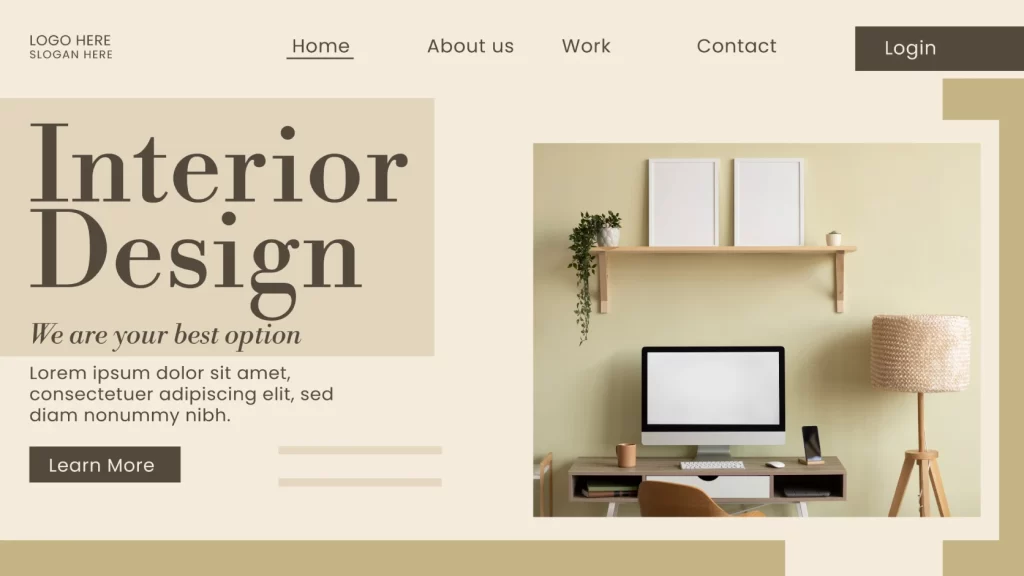
A strong interior design website should combine visual quality with usability.
Important elements can include:
- High-quality project photography
- Project galleries
- Detailed case studies
- Service pages
- Design categories
- About page
- Designer profiles
- Testimonials
- Location pages
- Blog or inspiration section
- Consultation forms
- Mobile-friendly layouts
- SEO-friendly architecture
- Fast-loading images
The visual style should also reflect the designer’s brand.
A luxury interior design studio may require an elegant, sophisticated interface, while a young residential designer may prefer a modern and minimal visual identity.
9 Powerful Strategies for Interior Designer Website Development India
1. Build a Strong Visual Portfolio
The portfolio is usually the most important section of an interior designer’s website.
Potential clients want to understand the quality and style of previous work.
Instead of showing dozens of unrelated photographs on one page, organize projects into clear categories.
For example:
Residential Interiors
- Living rooms
- Bedrooms
- Kitchens
- Dining spaces
- Luxury homes
Commercial Interiors
- Offices
- Retail stores
- Restaurants
- Cafes
- Showrooms
Hospitality Interiors
- Hotels
- Resorts
- Boutique properties
Each project can have its own dedicated page.
This allows visitors to explore the project in greater detail.
2. Create Detailed Interior Design Project Pages
A project page should tell a story rather than simply display photographs.
A useful project structure can include:
Project Name
Location
Project Type
Area
Design Style
Year
Client Requirement
Design Approach
Materials
Final Outcome
For example, instead of simply displaying:
Luxury Apartment Interior – Delhi
the page can explain how the designer approached the space, selected materials, created storage solutions and developed the overall visual concept.
This gives potential clients insight into the designer’s process.
3. Use High-Quality Interior Photography
Interior design is extremely visual.
Images need to communicate:
- Lighting
- Materials
- Furniture
- Color
- Texture
- Layout
- Spatial relationships
- Architectural details
High-quality photography can create a premium impression.
However, large images can also slow down a website.
Images should therefore be optimized using:
- WebP or modern image formats
- Compression
- Responsive image sizes
- Lazy loading
- Appropriate dimensions
Image filenames should also be descriptive.
Instead of:
IMG_2026_001.jpg
use:
modern-living-room-interior-delhi.webp
For accessibility and SEO, use descriptive ALT text that accurately explains the image.
4. Create a Premium Homepage
The homepage should immediately communicate the designer’s visual identity.
A strong interior design homepage can include:
Hero Section
Use a striking interior project image or carefully selected visual.
Introduction
Briefly explain who the designer is and what type of projects they specialize in.
Featured Projects
Showcase selected work.
Services
Explain the main design services.
Design Philosophy
Communicate what makes the firm different.
Testimonials
Show client feedback.
Consultation CTA
Give visitors a clear next step.
The homepage should not contain every piece of information.
Its job is to create a strong first impression and guide visitors toward the most important sections.
5. Organize Projects by Interior Design Style
Interior designers often work across multiple styles.
Your website can make project discovery easier by using categories such as:
- Modern interiors
- Contemporary interiors
- Minimalist interiors
- Luxury interiors
- Scandinavian interiors
- Industrial interiors
- Traditional interiors
- Sustainable interiors
You can also organize projects by property type:
- Apartments
- Villas
- Offices
- Restaurants
- Retail stores
- Hotels
This gives users multiple ways to discover relevant projects.
6. Make the Website Mobile-Friendly
Many interior designers receive traffic from Instagram, Pinterest, Google and referrals.
A significant percentage of these visitors may use smartphones.
The mobile website should therefore provide:
- Responsive galleries
- Easy navigation
- Readable typography
- Touch-friendly buttons
- Fast-loading images
- Simple enquiry forms
- Click-to-call functionality
- Clear consultation CTAs
Project images should remain visually attractive even on smaller screens.
The user should never need to zoom in or struggle with navigation to explore a portfolio.
7. Build an SEO-Friendly Website Structure
A beautiful portfolio does not automatically generate organic traffic.
Search engines need useful content that explains what the interior designer does and where the business operates.
Important pages can include:
- Interior design services
- Residential interior design
- Commercial interior design
- Office interior design
- Home interior design
- Kitchen interior design
- Luxury interior design
- Project pages
- Location pages
- About page
- Blog
- Contact page
For example, an interior designer serving Delhi NCR could have useful pages related to relevant services and locations.
Google provides technical search guidance through Google Search Central.
8. Create Location-Based Interior Design Pages
Interior designers often work within specific cities or regions.
For example, a firm may serve:
- Delhi
- Gurgaon
- Noida
- Greater Noida
- Mumbai
- Bengaluru
- Pune
- Hyderabad
- Kolkata
Location pages can help communicate service coverage.
However, each page should contain unique and useful information.
A location page could include:
- Services available
- Projects completed in the area
- Local project considerations
- Design styles
- Property types
- Consultation information
- Contact details
Avoid creating multiple pages with almost identical content and only changing the city name.
9. Turn the Website Into a Lead-Generation Platform
A portfolio is important, but an interior designer’s website also needs to generate enquiries.
Useful calls to action include:
- Book a Consultation
- Start Your Project
- Discuss Your Interior
- Request a Consultation
- Get a Design Quote
- Talk to a Designer
- Enquire Now
The CTA should appear naturally throughout the website.
For example, after showing a luxury apartment project, you could add:
Planning your own interior project? Let’s discuss your requirements.
This connects portfolio content with the next step in the customer journey.
Interior Design Services to Showcase on the Website
Your service structure should clearly communicate what clients can hire you for.
Residential Interior Design
This can include:
- Apartments
- Villas
- Independent homes
- Penthouses
- Luxury residences
Commercial Interior Design
Commercial services can include:
- Offices
- Retail stores
- Restaurants
- Cafes
- Showrooms
Hospitality Interior Design
This can include:
- Hotels
- Resorts
- Boutique properties
- Restaurants
- Guest houses
Renovation and Remodeling
If your firm provides renovation services, create a dedicated page explaining:
- Space planning
- Material selection
- Furniture
- Lighting
- Renovation management
- Finishing
Dedicated service pages provide visitors with more detailed information and create additional opportunities for organic search visibility.
How to Present Interior Design Projects Online
A project portfolio should feel like a carefully curated collection rather than a random image gallery.
Start each project with a strong hero image.
Then provide basic information:
Project: Luxury Apartment
Location: Gurgaon
Type: Residential Interior
Area: 2,800 sq. ft.
Style: Contemporary
Then explain the design concept.
For example:
The design focused on creating a warm contemporary living environment using natural textures, neutral colors and carefully integrated lighting.
After this, present the project images in a logical sequence.
You can divide the gallery into:
- Living Room
- Dining Area
- Kitchen
- Master Bedroom
- Children’s Room
- Bathrooms
- Balcony
This makes the project easier to explore.
Interior Design Website and Social Media
Interior designers often receive traffic from visual platforms.
Your website should therefore work together with:
- YouTube
For example, an Instagram project post can link visitors to the complete case study on your website.
The website then provides additional information and a consultation CTA.
This creates a simple journey:
Social Media → Project Page → Portfolio → Services → Consultation
Your website becomes the central destination rather than relying entirely on social platforms.
Build Trust With Testimonials and Credentials
Hiring an interior designer can involve a significant investment.
Potential clients therefore want evidence that they are dealing with an experienced professional.
Useful trust signals include:
- Client testimonials
- Project photographs
- Awards
- Certifications
- Media features
- Years of experience
- Client logos
- Completed projects
- Design publications
- Professional memberships
A testimonial is even more useful when it explains the client’s experience.
For example:
“The team understood our requirements and transformed our apartment into a functional and comfortable space.”
Where possible, testimonials can include the project type or client’s business category.
Interior Designer Website Development for Luxury Brands
Luxury interior designers need a website that feels premium.
Design elements can include:
- Large editorial imagery
- Elegant typography
- Generous white space
- Minimal navigation
- Subtle animations
- Refined color palettes
- Full-screen project galleries
However, luxury design should not come at the expense of usability.
Animations should remain smooth and lightweight, and navigation should remain intuitive.
The website should feel premium without becoming difficult to use.
Website Design for Residential Interior Designers
Residential designers can structure their website around common client requirements.
Useful categories include:
- 2 BHK interiors
- 3 BHK interiors
- 4 BHK interiors
- Villa interiors
- Luxury apartment interiors
- Bedroom interiors
- Kitchen interiors
- Living room interiors
Instead of simply listing these categories, create useful project examples and explain the design approach.
This can help potential customers understand what they can expect from the designer.
Website Design for Commercial Interior Designers
Commercial interior designers need to communicate business value.
Potential clients may include:
- Companies
- Retailers
- Restaurants
- Hotels
- Clinics
- Coworking spaces
- Developers
The website can highlight:
- Space planning
- Branding
- Customer experience
- Functional layouts
- Lighting
- Furniture
- Materials
- Project management
Commercial case studies should explain the business requirements behind the design.
Architecture and Interior Design Website Integration
Some firms provide both architecture and interior design services.
In this case, the website can connect the two disciplines.
For example:
Architecture
→ Residential Architecture
→ Commercial Architecture
→ Hospitality Architecture
Interior Design
→ Residential Interiors
→ Commercial Interiors
→ Hospitality Interiors
Project case studies can show how architecture and interiors were developed together.
For a related architecture-focused page, you can internally link to architecture firm website design.
WordPress for Interior Designer Websites
WordPress can be a practical platform for interior design firms because it allows designers and staff to update projects, blogs and other content without depending on developers for every change.
A custom WordPress website can include:
- Custom project post types
- Project categories
- Image galleries
- Project filters
- Designer profiles
- Testimonials
- Blog
- Contact forms
- Location pages
- SEO tools
For firms requiring custom functionality, a WordPress development company in Delhi can build features around specific business requirements.
Custom WordPress themes can also provide greater control over the visual presentation of projects.
Website Performance for Image-Heavy Interior Websites
Interior websites usually contain many large photographs.
Without optimization, these images can make the website slow.
Important performance practices include:
- Image compression
- WebP images
- Responsive images
- Lazy loading
- Proper image dimensions
- Optimized galleries
- Browser caching
- Efficient CSS
- Efficient JavaScript
The goal is to maintain high visual quality while reducing unnecessary page weight.
This is especially important for visitors using mobile networks.
SEO Content Strategy for Interior Designers
An interior design blog can attract potential clients before they are ready to hire a designer.
Useful topics include:
- Modern home interior design ideas
- Best interior design ideas for apartments
- How to choose an interior designer
- Interior design trends
- Small living room design ideas
- Modular kitchen design ideas
- Luxury bedroom design
- Office interior design ideas
- Sustainable interior design
- Interior design cost factors
Content should answer real customer questions.
For example, instead of writing an article simply because a keyword has search volume, create content that helps a potential client make a design decision.
Interior Designer Website Development India: Lead Generation Strategy
A good website should move visitors toward an enquiry.
A typical customer journey could be:
Google Search
↓
Interior Design Service Page
↓
Project Portfolio
↓
Case Study
↓
Testimonials
↓
Consultation CTA
↓
Enquiry Form
This journey can also begin through Instagram, Pinterest, referrals or paid advertising.
The website should make it easy for visitors to understand the firm and take the next step.
How Much Does Interior Designer Website Development Cost in India?
There is no single price for an interior designer website.
The cost depends on:
- Number of pages
- Number of projects
- Custom UI/UX
- Project galleries
- Animations
- Video integration
- CMS
- Project filters
- SEO
- Contact forms
- Integrations
- Content creation
- Maintenance
A simple portfolio website may require a relatively straightforward development process.
A large interior design firm with hundreds of projects may need custom portfolio management, advanced filters, project categories and a custom content structure.
The project scope should therefore be defined before comparing quotations.
How to Choose a Website Development Company for an Interior Designer
Before hiring a developer or agency, evaluate the following.
Portfolio Experience
Review the agency’s previous websites and look for strong visual presentation.
Custom Design Capability
Interior designers often need unique layouts rather than generic templates.
WordPress Expertise
If you want to manage projects internally, WordPress can provide a flexible content management system.
Performance
Ask how the agency will optimize large project images.
SEO
The development team should understand technical SEO and search-friendly website architecture.
Mobile Experience
Check how portfolio galleries and project pages work on smartphones.
Support
Understand what support is available after launch.
Scalability
The website should make it easy to add new projects over time.
Common Interior Designer Website Mistakes
Using a Generic Template
A generic website may fail to communicate the firm’s individual design identity.
Uploading Unoptimized Images
Large images can make pages slow.
Showing Images Without Context
Project descriptions can help visitors understand the designer’s thinking.
No Clear Services
Visitors should quickly understand what they can hire the firm to do.
Weak Contact Options
Make consultation and enquiry options easy to find.
Poor Mobile Experience
A portfolio must work well on smaller screens.
No SEO Strategy
Visual presentation should be supported by search-friendly content and technical structure.
Too Many Animations
Animations can enhance a design, but excessive effects can distract visitors and affect performance.
Internal Linking Strategy
For NJ Technos, use relevant internal links naturally throughout the article:
- NJ Technos
- WordPress development company in Delhi
- Architecture firm website design
- Website redesign services
- Website maintenance services
These links connect the interior design niche page with the broader website development service cluster.
External Resources
Use a few authoritative external links rather than adding too many.
For SEO and website discoverability:
For WordPress development:
For accessibility:
W3C Web Accessibility Initiative
These are relevant and authoritative resources that can support technical sections of the article.
Why Choose NJ Technos for Interior Designer Website Development?
Interior design websites require a balance between visual presentation, functionality, performance and business objectives.
NJ Technos can help interior design businesses create websites using WordPress and custom development approaches.
Services can include:
- Custom website design
- WordPress development
- Custom WordPress themes
- Custom WordPress plugins
- Portfolio development
- Project galleries
- Responsive website development
- SEO-friendly website structure
- Performance optimization
- Website redesign
- Website maintenance
For firms requiring custom functionality, custom WordPress plugin development can be used to create features beyond standard WordPress functionality.
If an existing website needs a visual or structural upgrade, website redesign services can help modernize the website.
Frequently Asked Questions
What should an interior designer website include?
An interior designer website should include a strong portfolio, project case studies, services, about information, testimonials, contact options and clear consultation calls to action.
Why is a portfolio important for an interior designer?
A portfolio allows potential clients to evaluate the designer’s style, experience, project types and quality of work before starting a conversation.
Can WordPress be used for an interior design website?
Yes. WordPress can be customized to create project portfolios, galleries, case studies, service pages, blogs and other interior design website features.
Should every interior design project have its own page?
Important projects should generally have dedicated pages because they allow the designer to explain the project, showcase images and demonstrate the design process.
Is SEO important for interior designers?
Yes. SEO can help interior designers reach people searching for interior design services, styles and designers in specific locations.
How can an interior design website generate leads?
Strong project pages, service pages, consultation CTAs, contact forms, testimonials and location-specific content can help turn website visitors into potential clients.
How much does an interior designer website cost in India?
The cost depends on the number of projects, design complexity, galleries, custom functionality, SEO requirements and ongoing maintenance.
How long does it take to develop an interior design website?
A simple portfolio website can be completed faster than a large website containing hundreds of projects, custom filters, animations and advanced functionality.
Can an existing interior design website be redesigned?
Yes. A redesign can improve visual presentation, mobile usability, navigation, performance, SEO and lead-generation opportunities while retaining useful existing content.
Final Thoughts
An interior designer’s website should function as more than an online brochure.
It should act as a digital portfolio, brand experience and lead-generation platform.
The right interior designer website development India strategy combines high-quality project presentation with responsive design, SEO, performance optimization, clear service pages and strong consultation opportunities.
Whether you are an independent interior designer, residential design studio, commercial interior firm or large multidisciplinary practice, your website should communicate the quality and personality of your work.
With carefully presented projects, useful content and a smooth customer journey, your website can help build credibility, attract relevant visitors and generate new project enquiries.