
Pet products ecommerce website development requires more than creating a standard online store and uploading product images. Pet parents often compare products based on the type of pet, breed, size, age, ingredients, material, safety, price and intended use. That means a successful pet ecommerce website needs to make product discovery simple while providing enough information to help customers make purchasing decisions.
Table of Contents
A modern pet store can sell products such as:
- Dog chews
- Dog toys
- Pet food
- Grooming products
- Treats
- Collars
- Leashes
- Beds
- Accessories
- Cat products
- Puppy products
- Natural pet products
The website should make it easy for customers to find the right product for their pet.
This is particularly important for niche D2C pet brands where the website is not simply a sales channel but also an important part of the brand experience.
What Is Pet Products Ecommerce Website Development?
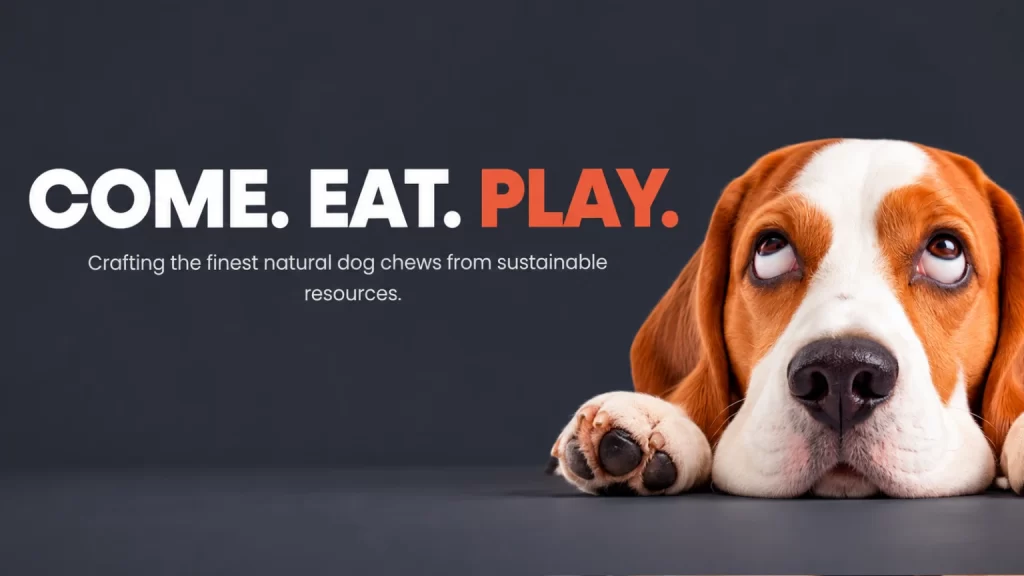
Pet products ecommerce website development involves designing and developing an online store specifically for selling pet-related products.
A pet ecommerce website can include:
- Product catalog
- Categories
- Product filters
- Product variations
- Shopping cart
- Checkout
- Online payment
- Customer accounts
- Wishlist
- Product reviews
- Search
- Blog
- FAQs
- Shipping information
- Order tracking
However, pet ecommerce websites often need additional product information.
For example, a dog chew store may need to explain:
- Suitable dog size
- Recommended weight
- Material
- Product dimensions
- Usage
- Benefits
- Safety information
- Available variants
This creates a more useful purchasing experience than a simple product name and price.
Why Pet Brands Need a Specialized Ecommerce Website
Pet products are highly visual and often require product education.
A customer purchasing a dog chew may want to know whether it is suitable for a small, medium or large dog.
Someone buying pet food may want to understand:
- Ingredients
- Nutritional information
- Age suitability
- Feeding instructions
- Product benefits
A good pet ecommerce website can organize this information clearly.
The website can also use product categories and filters to reduce the amount of searching customers need to do.
For example:
Dog Products → Chews → Natural Chews → Choose Dog Size
This makes the shopping journey more intuitive.
9 Powerful Features of Pet Products Ecommerce Website Development
1. Pet-Focused Product Categories
Product categorization is one of the most important parts of pet products ecommerce website development.
Instead of displaying hundreds of products in one large catalog, products can be organized into logical categories.
For example:
| Category | Examples |
|---|---|
| Dog Chews | Coffee Wood, Olive Wood, Sheep Horn |
| Dog Toys | Interactive toys, chew toys |
| Treats | Training treats, natural treats |
| Grooming | Brushes, shampoos |
| Accessories | Collars, leashes |
| Cat Products | Toys, beds, accessories |
The exact categories depend on the product range.
A well-organized category structure helps customers reach the right product faster.
2. Breed and Pet Size-Based Shopping
One of the most useful features for a pet ecommerce store is shopping according to the pet’s characteristics.
For dog products, filters can include:
- Dog breed
- Dog weight
- Dog size
- Age
- Chewing strength
- Product type
- Material
For example:
Dog Weight
XS → Up to 5 kg
S → Up to 10 kg
M → Up to 20 kg
L → Up to 40 kg
XL → Above 40 kg
This type of information can help customers select products more confidently.
It is especially useful for products where size and suitability matter.
3. High-Quality Product Pages
Product pages should provide enough information for customers to make a purchasing decision.
A pet product page can include:
- Product name
- Product photographs
- Price
- Discount
- Product description
- Key benefits
- Materials
- Size
- Suitable pet type
- Weight recommendation
- Usage instructions
- Safety information
- Shipping information
- FAQs
- Reviews
A product page should answer the customer’s questions before they reach checkout.
For example, instead of simply saying:
Natural Dog Chew
the page can explain what the product is, who it is suitable for and how it should be used.
4. Pet Product Filters
A large pet store can benefit significantly from advanced filters.
Customers may want to filter products by:
Pet Type
Dog / Cat
Product Type
Chew / Toy / Treat / Grooming
Size
XS / S / M / L / XL
Price
Budget range
Material
Wood / Horn / Rubber / Fabric
Purpose
Dental care / Enrichment / Training / Play
Filters reduce the effort required to browse a large catalog.
The filtering system should also work properly on mobile devices.
5. Mobile-First Shopping Experience
Many pet parents shop using smartphones.
Therefore, mobile responsiveness should be a priority.
A mobile pet store should provide:
- Easy navigation
- Search
- Filters
- Product images
- Sticky add-to-cart
- Simple checkout
- Payment options
- Wishlist
- Order tracking
Product images should remain large enough to understand the product without slowing down the page excessively.
The mobile checkout should also minimize unnecessary fields.
6. Strong Product Photography
Pet products are highly visual.
Customers want to see:
- Product size
- Texture
- Shape
- Packaging
- Usage
- Scale
A good ecommerce website can combine:
- Product-only photographs
- Lifestyle photographs
- Pet usage photographs
- Size comparison images
- Packaging photographs
For example, a dog chew can be shown next to a dog or in a hand to provide a better sense of scale.
The visual style should remain consistent across the product catalog.
7. Reviews and Social Proof
Customer reviews can help shoppers understand how other pet parents experienced a product.
A review section can include:
- Star rating
- Customer review
- Verified purchase indicator where applicable
- Customer photographs
- Product-specific feedback
For pet products, customer photographs can be particularly useful because they show the product being used by real pets.
Reviews should be authentic and handled according to the store’s review policies.
8. Secure Ecommerce Checkout
A smooth checkout is essential for converting visitors into customers.
The checkout can include:
- Customer details
- Shipping address
- Contact information
- Payment method
- Order summary
- Coupon field
- Shipping information
The store can support appropriate payment options based on the target market.
Security should also be considered throughout the checkout process.
The website should use HTTPS and a reputable payment gateway.
9. Pet Education and Content
Pet ecommerce websites can benefit from educational content.
Customers may search for information before buying.
For example:
- Best chew for Labrador
- Best chew for German Shepherd
- How to choose a dog chew
- How often should dogs chew?
- Natural dog chew guide
- Dog toy safety guide
- How to choose a toy based on dog size
This type of content can support both SEO and customer education.
A strong content strategy connects educational articles with relevant product categories and product pages.
Snoofy Pets: A Practical Pet Ecommerce Example
A practical example of pet products ecommerce website development is a focused D2C pet brand such as Snoofy Pets.
A pet brand selling natural dog chews needs to communicate more than product names and prices.
Customers need to understand which chew is suitable for their dog.
A product-focused ecommerce experience can organize products according to:
- Chew type
- Dog weight
- Product size
- Material
- Price
- Intended use
This creates a clearer path from product discovery to purchase.
Designing a Pet Product Homepage
The homepage should immediately communicate what the brand sells.
A strong pet ecommerce homepage can include:
Hero Section
The hero can feature:
- Product
- Pet photograph
- Short brand message
- Primary CTA
For example:
Natural Chews for Happier Dogs
Shop Dog Chews
The CTA should lead directly to the relevant collection.
Product Categories
The homepage can display major categories such as:
- Natural Dog Chews
- Dog Toys
- Treats
- Accessories
Featured Products
Popular products can be highlighted with:
- Product image
- Product name
- Price
- Rating
- Add to Cart
Why Choose Us
This section can explain genuine brand differentiators such as:
- Natural materials
- Product selection
- Quality standards
- Suitable sizing
Only claims that can be supported by the business should be published.
Product Comparison for Pet Ecommerce
Product comparison can be especially useful when several products appear similar.
For example:
| Product | Material | Recommended Size | Price |
|---|---|---|---|
| Coffee Wood | Coffee Wood | XS–M | ₹399 |
| Sheep Horn | Natural Horn | XL | ₹499 |
| Olive Wood | Olive Wood | M–L | ₹599 |
The exact recommendations should always be based on the product manufacturer’s guidance.
A comparison table allows shoppers to quickly understand the differences between products.
Pet Product Recommendation System
A more advanced store can provide product recommendations based on customer selections.
For example:
What type of pet do you have?
Dog
What is your dog’s weight?
10–20 kg
What are you looking for?
Chew
The website can then display relevant products.
This can be implemented as a custom product finder or quiz.
A recommendation system should use clearly defined product attributes rather than making unsupported health or safety claims.
Dog Breed-Based Landing Pages
A pet brand can also create useful breed-focused content pages.
Examples include:
- Best chew for Labrador
- Best chew for Golden Retriever
- Best chew for Beagle
- Best chew for Pug
- Best chew for German Shepherd
- Best chew for Rottweiler
These pages can explain:
- Typical product considerations
- Dog size
- Chewing behavior
- Product selection
- Relevant products
The content should avoid making universal claims about every dog of a particular breed because individual dogs can differ significantly.
Pet Ecommerce Search
Search functionality is particularly important as a pet store grows.
A customer might search:
coffee wood chew
dog toy
large dog chew
puppy toy
natural dog chew
Search should return relevant products quickly.
Advanced search can consider:
- Product title
- SKU
- Category
- Tags
- Attributes
- Brand
Autocomplete can also make product discovery faster.
WooCommerce for Pet Product Ecommerce
WooCommerce is a practical platform for many pet product stores.
A WooCommerce store can manage:
- Products
- Variations
- Categories
- Attributes
- Inventory
- Orders
- Coupons
- Customers
- Payments
- Shipping
Custom development can extend WooCommerce when the store requires specialized functionality.
For example:
- Breed filters
- Pet-size filters
- Product finder
- Comparison tools
- Custom bundles
- Subscription products
- Personalized recommendations
The WooCommerce documentation provides technical resources for store development and customization. WooCommerce Developer Resources
Pet Product Bundles
Bundles can increase convenience for customers who want multiple related products.
For example:
New Dog Starter Bundle
- Chew
- Toy
- Treat
Another bundle could be:
Large Dog Chew Pack
- Chew A
- Chew B
- Chew C
Bundles can be configured according to the actual product catalog.
The website should clearly explain what each bundle contains and whether customers can choose variations.
Subscription Ecommerce for Pet Products
Some pet products are purchased repeatedly.
Examples include:
- Pet food
- Treats
- Grooming products
- Supplements where legally and appropriately sold
- Disposable products
A subscription model can allow customers to schedule recurring deliveries.
For products that are not naturally recurring, standard one-time purchasing may be more appropriate.
Pet Ecommerce Cart and Checkout Optimization
The cart should clearly display:
- Product
- Quantity
- Price
- Discount
- Shipping
- Total
Customers should be able to easily update quantities or remove products.
The checkout should avoid unnecessary distractions.
A simple process can be:
Cart → Address → Payment → Order Confirmation
Coupon codes and shipping information should also be easy to understand.
Shipping for Pet Products
Pet products vary significantly in size and weight.
The store may therefore require:
- Location-based shipping
- Weight-based shipping
- Free shipping thresholds
- Local delivery
- Standard shipping
- Express shipping
The appropriate method depends on the business model and logistics provider.
Shipping information should be displayed clearly before customers complete payment.
Pet Ecommerce Website SEO
SEO should be incorporated into pet products ecommerce website development from the beginning.
Important SEO elements include:
- Search-friendly URLs
- Product titles
- Product descriptions
- Category pages
- Image ALT text
- Internal links
- Product structured data
- Meta titles
- Meta descriptions
- Blog content
Google Search Central provides official guidance for website owners and SEO. Google Search Central
Product Structured Data
Product pages can be structured so search engines can better understand information such as:
- Product name
- Price
- Availability
- Reviews
- Rating
The exact implementation should be validated before deployment.
This can support search engine understanding of ecommerce product pages.
Pet Ecommerce Content Strategy
A pet brand can create content around real customer questions.
For example:
Buying Guides
How to Choose the Right Dog Chew
Breed Guides
Best Chew for Labrador
Product Guides
Coffee Wood vs Olive Wood Dog Chews
Safety Guides
How to Choose an Appropriate Dog Chew
Lifestyle Content
Ways to Keep Your Dog Mentally Engaged at Home
Each article can link naturally to relevant products.
The goal should be to help customers make informed decisions rather than simply inserting product links into every paragraph.
Pet Ecommerce Website Performance
Pet stores often rely heavily on photography.
A product catalog with hundreds of large images can become slow if images are not optimized.
Important performance practices include:
- WebP images
- Image compression
- Responsive images
- Lazy loading
- Browser caching
- Optimized CSS
- Optimized JavaScript
- Efficient hosting
- CDN where appropriate
The goal is to maintain high-quality product presentation without unnecessarily increasing page weight.
Pet Ecommerce Website Security
Security is essential for any ecommerce store.
A pet store should consider:
- HTTPS
- Secure administrator accounts
- Strong passwords
- Regular backups
- WooCommerce updates
- Plugin updates
- Secure payment processing
- Spam protection
- Malware monitoring
Customer information should be handled securely and only collected when required.
How Much Does Pet Products Ecommerce Website Development Cost?
The cost depends on the size and functionality of the store.
Basic Pet Store
A basic store may include:
- Homepage
- Product catalog
- Categories
- Product pages
- Cart
- Checkout
- Payment gateway
- Contact page
Advanced Pet Ecommerce Store
An advanced store may include:
- Product filters
- Breed pages
- Product comparison
- Product finder
- Bundles
- Reviews
- Wishlist
- Customer accounts
- Advanced search
Custom Pet Ecommerce Platform
A larger brand may require:
- Custom WooCommerce functionality
- Product recommendation systems
- ERP integration
- CRM integration
- Subscription functionality
- Custom dashboards
- Advanced analytics
Therefore, the budget should be based on the actual requirements.
How to Choose a Pet Ecommerce Development Company
When choosing a company for pet products ecommerce website development, look beyond visual design.
Ecommerce Experience
Check previous WooCommerce or ecommerce projects.
Product Catalog Experience
A developer should understand categories, attributes, variations and filters.
Mobile Experience
Review the store on actual smartphones.
SEO Knowledge
The website should be built with SEO-friendly architecture.
Custom Development
Ask whether custom functionality can be developed when required.
Performance
Large product catalogs require proper optimization.
Security
Ask how customer data, payments and administrator access will be protected.
Ongoing Maintenance
Ecommerce websites require regular updates and monitoring.
Common Pet Ecommerce Website Mistakes
1. Poor Product Photography
Customers need to see what they are buying.
2. Missing Product Information
Pet products often require additional information about size, material and suitability.
3. Weak Filters
Customers should be able to narrow products easily.
4. Complicated Checkout
Too many checkout fields can create unnecessary friction.
5. Poor Mobile Design
Pet parents may shop from smartphones.
6. No Educational Content
Useful guides can help customers understand products.
7. Slow Product Pages
Large images can affect performance if not optimized.
8. Generic Product Descriptions
Product pages should provide useful, specific information.
Internal Linking Strategy
A pet ecommerce case study can link naturally to relevant development services.
For example:
Pet Ecommerce Development → WooCommerce Development → Custom Plugin Development → Website Maintenance
For the development company, the main website can be linked naturally:
A relevant WooCommerce service page can also be linked:
WooCommerce Development Company in Delhi
For custom functionality, another useful internal destination is:
Custom WordPress Plugin Development
Why Professional Pet Ecommerce Development Matters
A pet store needs to combine commerce with product education.
Customers may not simply ask:
“How much does this product cost?”
They may ask:
“Is this suitable for my dog?”
“What size should I choose?”
“What material is it made from?”
“How should it be used?”
“How is it different from another product?”
The website should be designed to answer these questions quickly.
That is where specialized pet products ecommerce website development becomes valuable.
Why Choose NJ Technos?
NJ Technos can develop customized ecommerce websites for pet brands that need more than a basic online store.
A pet ecommerce project can include:
- WooCommerce development
- Custom product pages
- Product filters
- Product comparison
- Breed-focused navigation
- Pet-size selection
- Product bundles
- Custom checkout
- SEO-friendly architecture
- Performance optimization
The development approach can be based on the brand’s product catalog, customer journey and long-term ecommerce goals.
Frequently Asked Questions
What is pet products ecommerce website development?
Pet products ecommerce website development involves designing and developing an online store specifically for selling pet products such as dog chews, toys, treats, food, grooming products and accessories.
Can WooCommerce be used for a pet products store?
Yes. WooCommerce can support product catalogs, variations, payments, shipping, inventory and custom ecommerce functionality.
Can pet stores add breed-based filters?
Yes. Custom product attributes and filters can be created for breeds, pet size, weight, product type and other relevant characteristics.
Can a pet ecommerce website include product comparisons?
Yes. A comparison feature can allow customers to compare products based on attributes such as material, size, price and intended use.
Can customers find products according to their dog’s weight?
Yes. Product attributes and filters can be created around weight ranges where appropriate.
Can pet ecommerce websites sell product bundles?
Yes. WooCommerce can be customized to support product bundles and multi-product packages.
Can a pet store have online payments?
Yes. Payment gateways can be integrated into the WooCommerce checkout.
Can pet stores have subscription products?
Yes. Recurring purchasing can be implemented for suitable products.
Is mobile optimization important for pet ecommerce websites?
Yes. A large portion of ecommerce browsing can happen on mobile devices, so product discovery and checkout should work well on smartphones.
How much does pet ecommerce website development cost?
The cost depends on the number of products, design complexity, WooCommerce functionality, integrations, filters, custom features and ongoing requirements.
Final Thoughts
A successful pet ecommerce website should do more than display products and prices.
Pet products ecommerce website development should focus on making product discovery, comparison and purchasing simple for pet parents.
Features such as breed-based navigation, pet-size filters, detailed product pages, product comparison, reviews, bundles, mobile optimization, secure checkout and educational content can create a stronger shopping experience.
The Snoofy Pets case study is a useful example of how a focused pet brand can build its ecommerce experience around a specific product category and customer need.
For pet brands planning a new ecommerce store, the most important step is to understand how customers choose products and then build the website around that decision-making process.